This guide covers what a sterile barrier system is, how the FDA classifies sterilization packaging, what the package has to survive and how to choose the right one for a medical device.
What a Sterile Barrier System Is
ISO 11607 defines the sterile barrier system as the minimum packaging that prevents microbial ingress and keeps the device sterile until it is used. The standard separates the sterile barrier system from any protective packaging that keeps it from getting damaged. Both layers count when you evaluate packaging performance.
In practice, the package has to be compatible with the sterilization method, the shape of the product, the sealing process, the handling environment and the storage conditions.
Why Sterile Barrier Packaging Matters
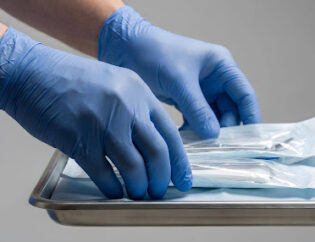
A sterilization cycle doesn’t end when the autoclave door opens. From then on, the package is the only thing between the device and contamination through handling, storage, transport and aseptic presentation. In hospitals, surgical centers and dental offices, one breach can put a patient at risk of infection. That’s why the package is a working part of the sterilization system, not just a container.
How the FDA Classifies Sterilization Packaging
The FDA defines sterilization wrap as a device intended to enclose another medical device that is to be sterilized by a health care provider. It allows the contents to be sterilized and keeps them sterile until use.
Because of that role, the FDA classifies sterilization wrap as a Class II medical device subject to 510(k). Packaging falls under this classification when it and its manufacturing process meet the FDA’s quality requirements for medical devices (21 CFR Part 820), and the manufacturer has proven compliance with them.
Nylon is common in sterilization wrap because of its durability and heat resistance, so if you use nylon wrap, confirm that your supplier holds this registration. Ask your supplier for its FDA registration information or search for sterilization wrap in the FDA’s medical device databases.
M&Q’s production facility is FDA 510K registered for the manufacture of Class 2 sterilization wrap.
What Sterile Packaging Has to Survive
Packaging performance spans three phases. Most failures come from a gap between what was validated and what actually happens in one of them.
Before Sterilization
The package has to be clean, free of particles and structurally intact, and it has to seal with the facility’s validated sealing method. A film that sheds particles or releases extractables adds contamination risk before the cycle even starts, so films made under controlled, low particulate conditions matter here.
During Sterilization
Steam autoclaves expose the package to saturated steam from 121°C (250°F) to 135°C (275°F), with pressure swings and fast temperature changes during exhaust and drying. Materials that soften, warp or turn brittle compromise the barrier. Seals are the weak point: if a seal opens during the cycle, the whole sterilization is void. The package also has to dry without trapping moisture, one of the most common and least visible failures.
After Sterilization
This is the longest and least controlled phase. Packages get stacked, moved between carts, dropped and exposed to changes in temperature and humidity. Films that lose puncture resistance after thermal cycling, or seals that weaken over time, create risks that only show up when the package is opened.
What Happens When Sterile Packaging Fails
- Instruments need reprocessing or devices get rejected
- Clinical procedures are delayed while instruments are sterilized again
- Scrap, rework and quality investigations disrupt production
- Regulatory scrutiny and corrective actions under 21 CFR Part 820 and ISO 11607
Failures almost always cost more to fix than to prevent. That’s why choosing packaging is an engineering decision, not a purchasing one.
How to Choose Sterile Packaging for a Medical Device
Weigh these factors together. No single property works on its own.
- Sterilization method: sets the temperature, pressure, moisture and radiation the material has to tolerate. A film that works in gamma may fail in a steam autoclave, and the reverse.
- Device geometry: sharp edges and points set how much puncture resistance you need.
- Seal: the film has to seal consistently with your sealing method through production, sterilization and handling.
- Size, thickness and format: tubes, pouches or custom shapes sized to the device.
- Shelf life: the package has to hold its barrier for the storage period in your validated protocol. Accelerated aging tests under ASTM F1980 confirm it.
- Supplier consistency and data: properties should stay the same from lot to lot, and your supplier should give you service temperature, mechanical and chemical resistance data.
Sterile Packaging for Dental Instruments
Dental offices sterilize small, sharp instruments in steam autoclaves many times a day. Patients rarely think about how those tools stayed sterile, but the package is what made it possible. Puncture resistance matters most here, because instruments go into individual pouches or tubes and get handled repeatedly before use. M&Q’s dental tubing is made for exactly this.
Find the Right Packaging for Your Device
M&Q manufactures nylon sterilization packaging, including sterilization bags and films, for steam, dry heat and gamma sterilization. Send us your sterilization method and device dimensions and we’ll recommend the right format.